
How to automate your Shopify store with Zapier and AI (2026 guide)
By Vikas Reddy, Founder, Valior
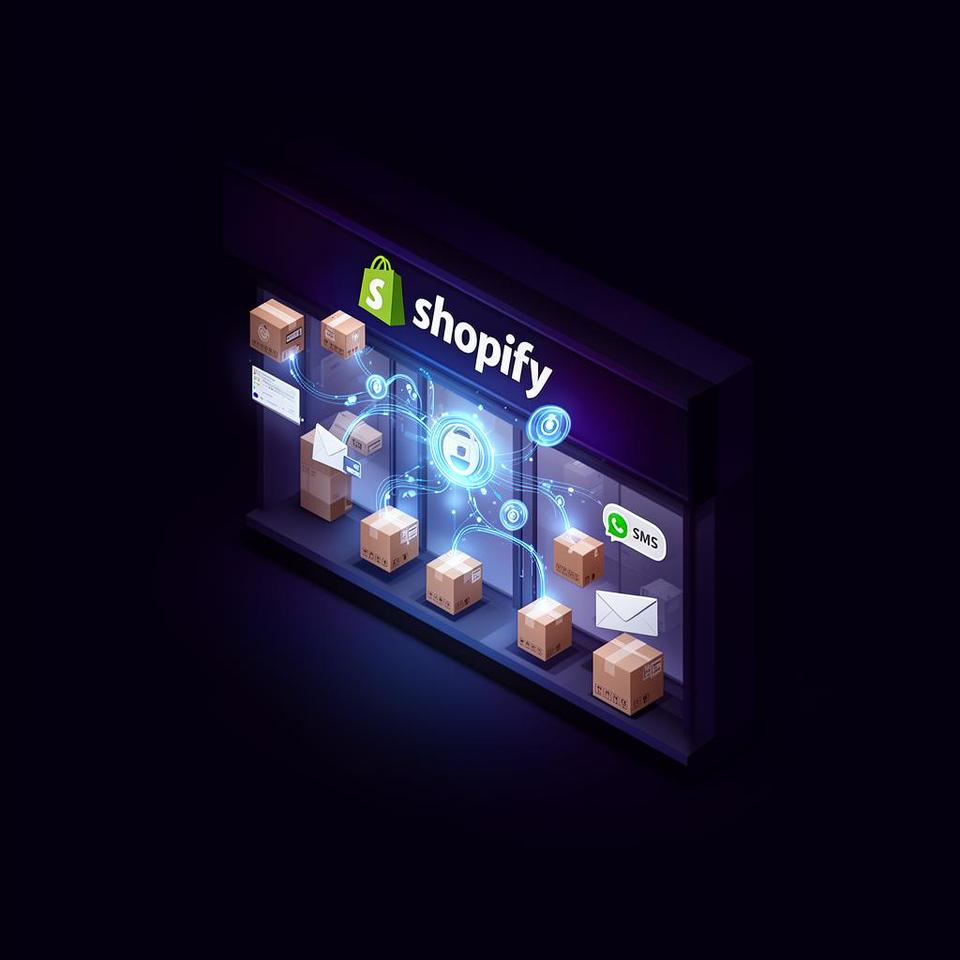
TL;DR
- Most growing Shopify stores lose 10–15 hours a week to manual order ops that Zapier + AI can run for them.
- The right starter stack is Shopify → Zapier (or OttoKit) → Klaviyo → Twilio → ShipStation, with AI handling exception triage.
- You don't need to automate everything on day one. Start with order notifications and post-purchase flows; you'll feel the difference in week one.
Why Shopify automation matters in 2026
Shopify gives you a great storefront. What it doesn't give you is the connective tissue between every order and every other tool you use your email platform, your shipping software, your support inbox, your inventory spreadsheet. That connective tissue is where most growing stores leak hours.
The good news: Zapier, OttoKit, and a small amount of AI now cover 80% of what a junior ops hire would do for less than the cost of one.
The minimum viable Shopify automation stack
| Layer | Tool | What it does |
|---|---|---|
| Storefront | Shopify | Source of truth for orders |
| Orchestration | Zapier / OttoKit | Triggers and routes events |
| Klaviyo | Order confirmations, post-purchase flows | |
| SMS | Twilio / Postscript | Shipping updates, VIP messages |
| Fulfillment | ShipStation / Shippo | Labels, carrier selection |
| AI layer | ChatGPT API or Claude | Exception triage, reply drafting |
Pick the boxes you need. You can ignore SMS on day one if your audience doesn't expect it.
Workflow 1 Smart order confirmation
The default Shopify confirmation email is generic. Replace it with a Klaviyo flow that personalises by product, customer segment (first-timer vs returning), and even time of day. Then layer in a Zapier trigger that posts the order to a Slack channel for the team to see in real time. Five minutes of setup, instant operational visibility.
Workflow 2 Tracking + shipping updates without copy-paste
Connect ShipStation back to Klaviyo through Zapier. Every time a label is printed, the customer gets a personalised "your order is on the way" email with the tracking link. Every time the carrier marks it delivered, they get a delivery confirmation. You never paste a tracking number again.
Workflow 3 Post-purchase nurture that actually runs
Day 7: review request, personalised to the product they bought. Day 14: cross-sell, but only if they haven't bought again. Day 30: re-engagement, with a small incentive if they're going cold.
This single workflow lifts repeat-purchase rate noticeably and it runs forever once you build it.
Where AI fits in (and where it doesn't)
AI shines at the messy edges: drafting replies to "where's my order?" tickets, flagging suspicious orders for review, summarising daily sales for your morning standup. It is not great at irreversible decisions never let AI auto-issue refunds or auto-cancel orders without a human in the loop.
Common mistakes we see
- Trying to automate the messy stuff first. Start with the clean, repeatable flows. Build trust in the system before tackling edge cases.
- No exception channel. Every automation needs a Slack room where the weird stuff lands. Without it, problems hide.
- Sending too much. Five great touchpoints beats fifteen mediocre ones. Cut your sends in half before adding new ones.
What to do next
Pick one workflow above and ship it this week. If you want the whole stack built and managed for you, that's exactly what our E-commerce Order & Notification Automation playbook ships in 2–3 weeks.
Related Playbook
E-commerce order and notification automation
Every Shopify order triggers an end-to-end flow: inventory check, shipping label, customer SMS + email, post-purchase follow-up, and review request without anyone touching the spreadsheet.
Read the playbookCommon questions
Do I need to be technical to set this up?+
Zapier and OttoKit are no-code. You can ship workflow 1 above in an afternoon. The deeper integrations (AI exception triage, custom Klaviyo segmentation) are where most stores bring us in.
Zapier vs OttoKit vs Make which should I pick for Shopify?+
Zapier is the safest default and has the most Shopify-native integrations. OttoKit is newer and cheaper at scale. Make is the most flexible but has a steeper learning curve.
Will this break my existing email flows?+
Only if you don't migrate carefully. We always run new flows in parallel for a week before turning off the old ones.
Want this set up in your business?
Free 30-min audit. We tell you straight what's worth automating and what isn't.
Grab the AI Automation Audit Checklist
A 12-point checklist to score your workflows before you spend a dollar on automation. Email-gated, no follow-up sequence.
Keep reading
One workflow, every two weeks
The trigger, the tools, the steps and the hours it saved. No roundups.